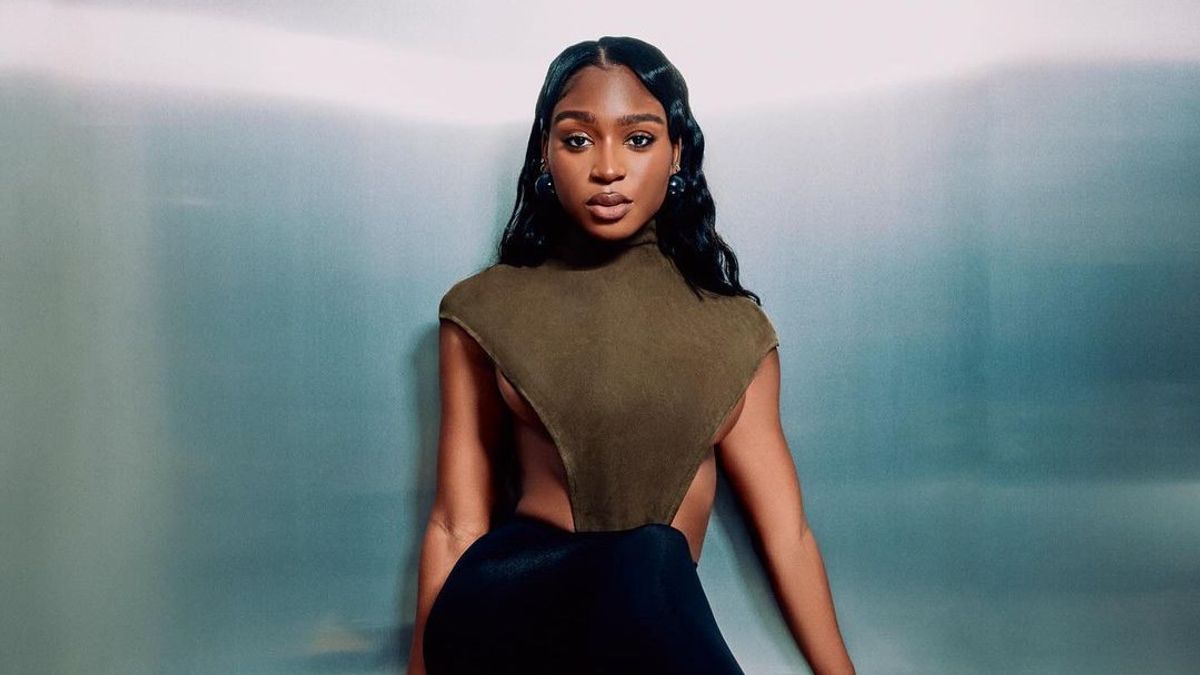
Normani Kordei s'est d'abord fait connaître en tant que membre du groupe féminin Fifth Harmony, formé lors de la deuxième saison de The X Factor USA en 2012. Aux côtés de Camila Cabello, Lauren Jauregui, Dinah Jane et Ally Brooke, elle a connu un énorme succès commercial.
Dès ses débuts, Normani s'est distinguée par sa présence scénique et son talent de danseuse. Sur scène, son charisme était indéniable. Pourtant, au sein du groupe, l'attention médiatique se portait souvent sur d'autres artistes, notamment Camila Cabello, reléguant Normani au second plan. Elle recevait moins de parties vocales et était constamment comparée aux autres membres du groupe. Parallèlement, elle est devenue la cible d'attaques racistes en ligne, une vague d'hostilité qui a profondément affecté son rapport à la célébrité et à l'exposition médiatique.
Ces premières expériences ont façonné un artiste qui allait devenir plus prudent, plus stratégique et parfois plus distant des projecteurs.
Une percée solo prometteuse
Après la pause des Fifth Harmony, Normani a entamé sa carrière solo grâce à une série de collaborations prestigieuses. « Love Lies » avec Khalid et « Dancing With a Stranger » avec Sam Smith l'ont révélée comme une chanteuse R&B-pop raffinée, capable d'interpréter des tubes radiophoniques. Ces titres ont prouvé que Normani pouvait réussir en solo. Pourtant, il manquait un élément essentiel : un projet solo bien défini.
En 2018, elle sort « Waves », un morceau R&B doux et subtil qui laissait entrevoir sa nouvelle orientation artistique. Mais ce titre ne convainquit pas pleinement l'industrie. Si Normani s'orientait vers le R&B, la stratégie commerciale qui l'entourait visait souvent un public pop plus large. Cette tension entre son instinct artistique et les attentes de sa maison de disques allait devenir un thème récurrent dans sa carrière.
Wild Side et l'élan qui s'est estompé
En 2021, Normani a fait son retour avec « Wild Side », en featuring avec Cardi B. Le titre, fortement inspiré du R&B du début des années 2000, a immédiatement attiré l'attention. Le clip, avec sa chorégraphie élaborée et ses images saisissantes, a été largement salué. Pour beaucoup, c'était le moment où Normani affirmait enfin son identité artistique. Mais cet engouement fut de courte durée.
"L’étoile suspendue n’est pas tombée. Mais si Normani veut briller à nouveau, le prochain chapitre devra être intentionnel, ciblé et entièrement le sien."
Selon certaines sources, la campagne promotionnelle aurait manqué de soutien de la part de sa maison de disques, obligeant Normani à investir massivement dans le projet elle-même. L'année suivante, elle sort « Fair », une ballade touchante qui révèle une facette plus douce de son art. Pourtant, le titre arrive discrètement, sans véritable campagne de promotion.
La dopamine et une occasion manquée
En 2024, Normani a enfin sorti son premier album tant attendu, Dopamine. Annoncé des années auparavant et reporté à plusieurs reprises, l'album est arrivé dans une relative indifférence. La promotion est restée limitée, les visuels rares et le projet a peiné à susciter l'enthousiasme qui avait autrefois entouré son nom.
Durant ces années d'incertitude, le paysage R&B a évolué à une vitesse fulgurante. Des artistes comme Coco Jones, Chlöe, Tyla et Victoria Monét se sont forgé une identité forte et ont fidélisé un public nombreux. Le défi de Normani n'était plus simplement de sortir un album, mais de reconquérir sa place au sein d'un genre en constante évolution.
L'étoile suspendue peut-elle renaître de ses cendres ?
Malgré les obstacles, Normani demeure l'une des artistes les plus fascinantes de sa génération. Son talent d'interprète, de danseuse et de chanteuse n'a jamais été remis en question. Ce qui manque encore à sa carrière, c'est une meilleure orientation.
Une direction artistique affirmée, une équipe compétente et un récit cohérent pourraient enfin lui permettre de transformer des années d'attente en une œuvre artistique définitive. L'étoile, longtemps suspendue, n'est pas tombée. Mais si Normani veut briller à nouveau, le prochain chapitre devra être intentionnel, ciblé et entièrement personnel.